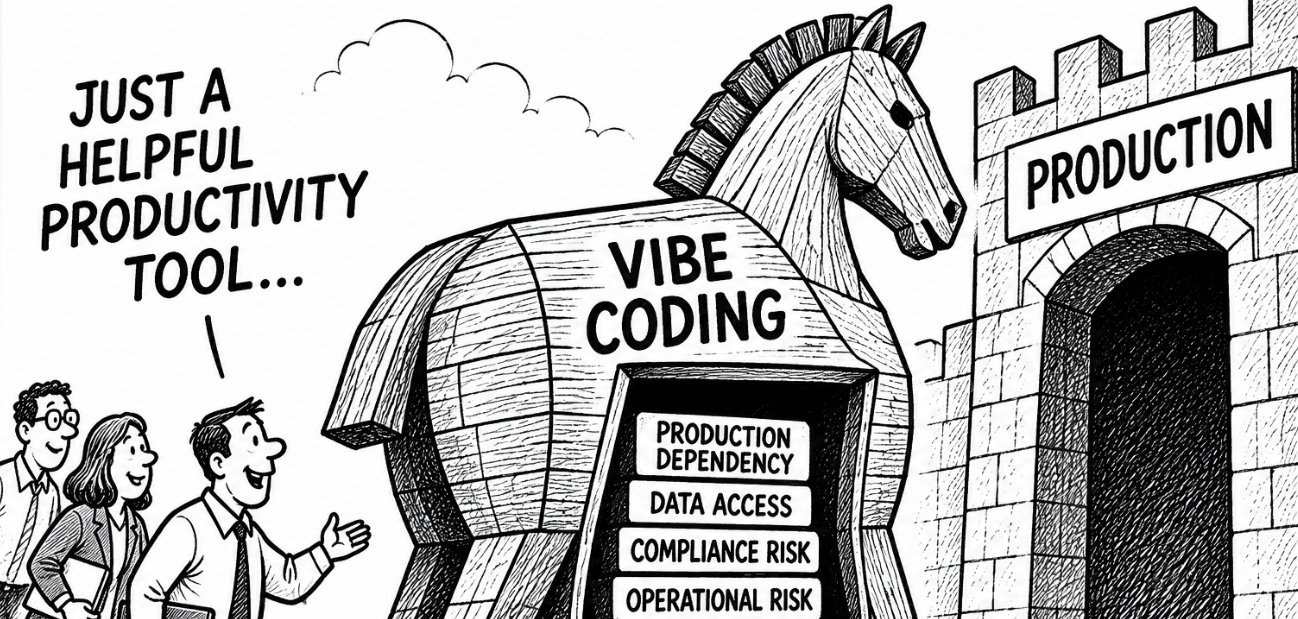
Vibe-coded applications aren’t a new enterprise risk. They’re the same old problem, now running at AI speed. In July, Goldman Sachs’s CIO was singing the praises of vibe coding. Traders and bankers were using AI to turn ideas into working prototypes, then handing them to the firm’s roughly 12,000 engineers to refine. By October, the rules had changed. Goldman restricted access to Claude Code and GitHub’s coding tools to engineers, leaving most traders and bankers without access. The bank cited productivity and risk management concerns. That’s all we know about its reasoning. I’m not going to pretend I know what…
Category: <span>AI</span>

First came vibe coding; described what you wanted, the model produced something plausible. If it seemed to work, shipped it. In The Shorter Path, I called “vibe code” a phrase that would die soon. It didn’t die. It got a sequel, and like most sequels, it has a bigger budget and the same plot. The cure was Spec-Driven Development (SDD). Before the agent writes a line of code, write down what you want. A specification, then a plan, then small tasks the agent can implement and check itself against. GitHub’s Spec Kit is the most visible version, and it is…
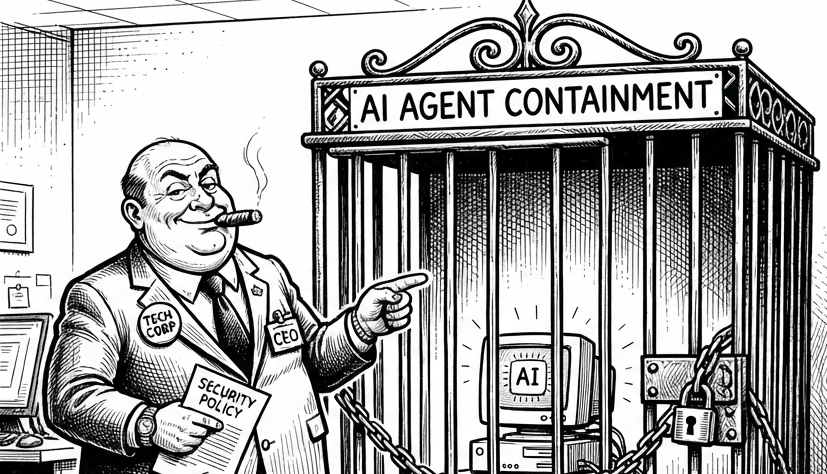
Containment as the primary agent strategy solves half the problem Somewhere right now, a architecture council is walking through a slide titled “AI Agent Containment Strategy.” Sandboxed runtime. Egress allowlist. Tool permissions. A kill switch with a satisfying red icon. Everyone nods, because nodding at a kill switch is what security and risk reviewers do. Nobody asks about the engineer down the hall whose job requires production write access, because he isn’t on the slide. He’s not an AI. He’s just Dave, and whatever governs what Dave can do, it isn’t a sandbox. Agency is the capacity to act independently…
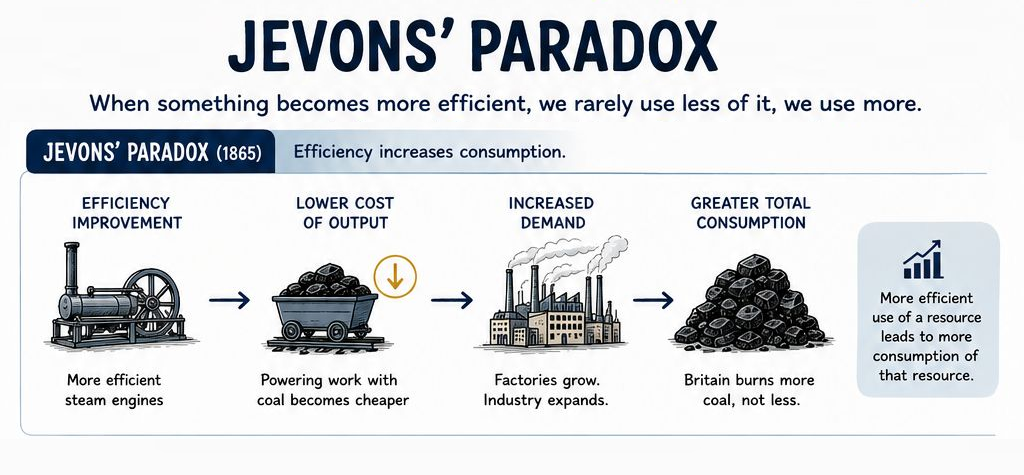
Per-token costs are collapsing. Total AI coding spend is climbing anyway. That isn’t a contradiction. It’s a 160-year-old paradox doing exactly what it has always doing. Somewhere in second quarter there will be a budget review where two slides will appear to be in disagreement. One shows the price of a thousand tokens, and the line slopes down and to the right, the way the cost of a maturing technology is supposed to. The next slide shows the monthly spend on AI coding tools, and that line climbs up and to the right, steeply, and nobody in the room can…
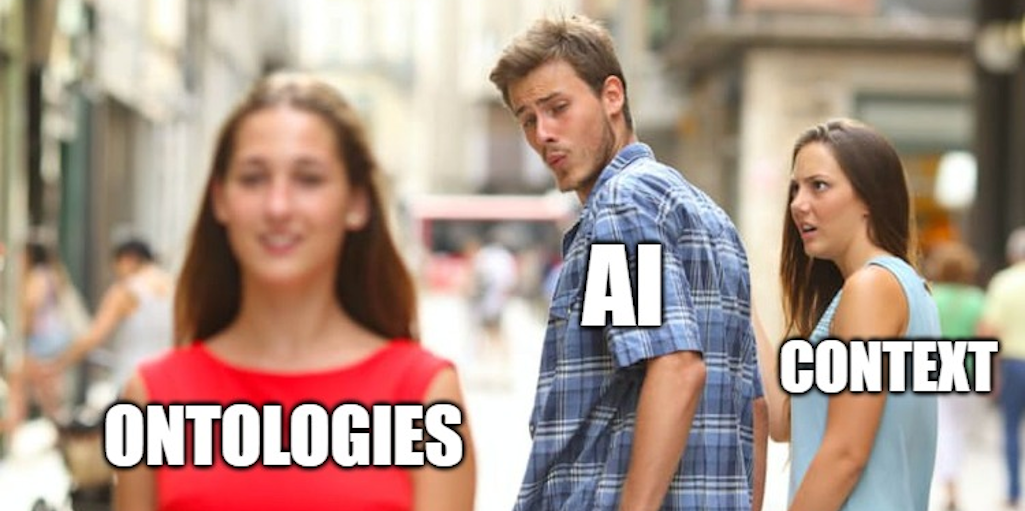
In Part 1: “Ontologies, Back in Fashion”, there are 2 things traveling under the word “ontology”. The first is the ambitious version (automated reasoning, machines inferring facts nobody stated) which is “roughly where it was 20 years ago: academic, brittle, confined to narrow domains”. The second is the humble version; an agreed vocabulary, stable identifiers, a declared column meaning that two systems can check without holding a meeting. Part 1’s claim is that the humble version is quietly working well in the regulated finance, kept alive by regulatory mandate rather than hype. The LLM angle was flagged as a “plausible…